

5 min read
What to Include in a Maintenance Work Order Before the Technician Arrives
Lucas Sestito : Published
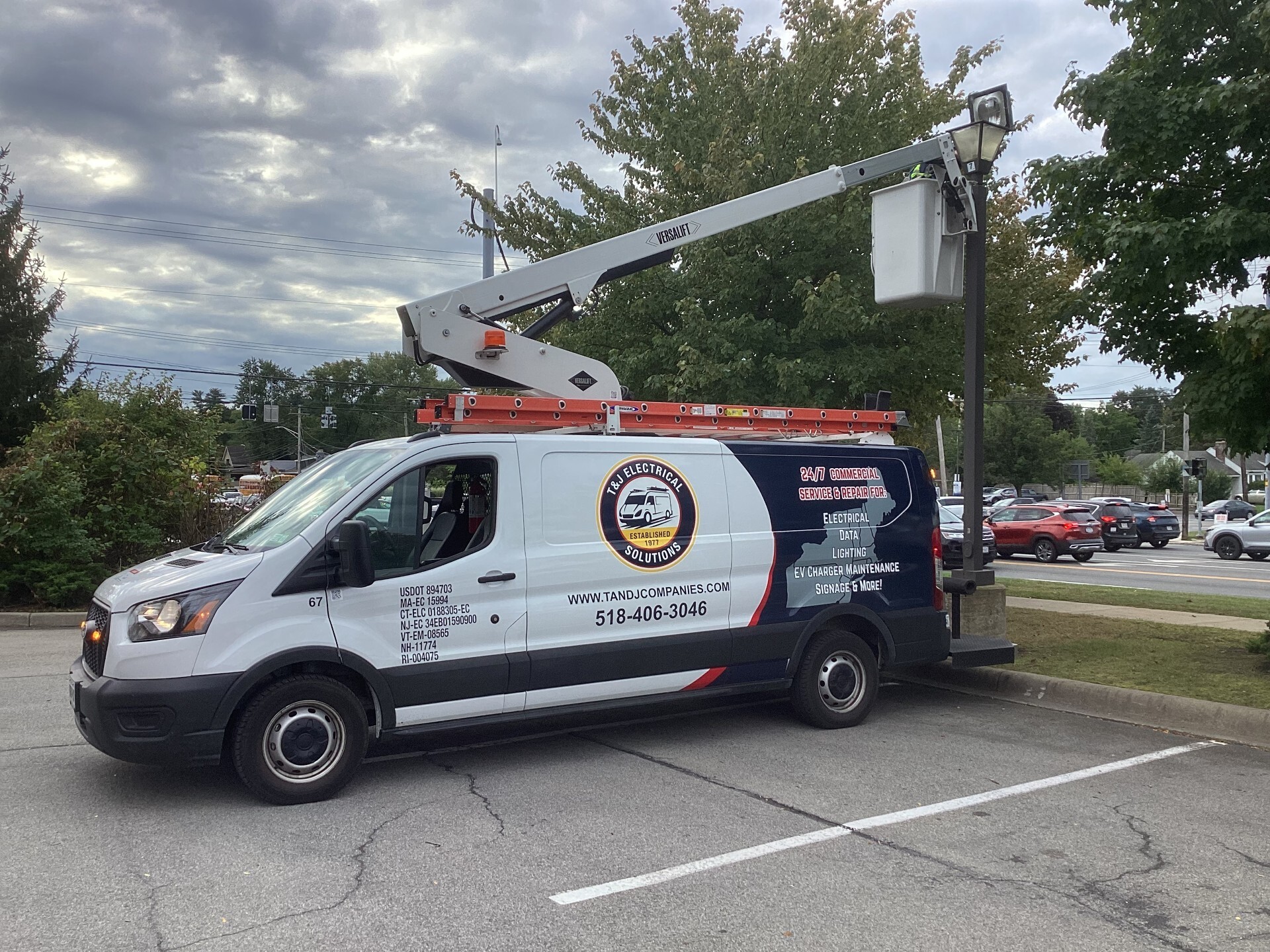
A complete maintenance work order provides Service Technicians with the information they need to prepare for a visit, including the location, equipment details, reported issue, photos, access requirements, urgency, and site contacts. At T&J Companies, these details help our technicians better understand the service request before arriving on-site.
Consider a work order that simply states, "Oven not heating, store 42." Without additional information, the technician may not know which piece of equipment requires service, what symptoms have been observed, or who to contact upon arrival. Including the equipment model number, any displayed error codes, and an on-site contact helps the technician prepare for a more efficient service visit.
Capturing these details when the issue is first reported can help reduce unnecessary follow-up, minimize delays, and streamline the service process.
Key Takeaways
- Complete work order details help Service Technicians prepare for a visit, potentially reducing delays and unnecessary follow-up.
- Every work order should include the service location, equipment identification, reported symptoms, access requirements, urgency, and an on-site contact.
- Equipment nameplate photos and exact error codes provide valuable information beyond a general description of the problem.
- Specific descriptions, such as "front exterior sign is not illuminating, but surrounding lights are working," are more useful than general reports like "sign lighting issue."
- Consistent work order information across multiple locations helps streamline communication and coordinate service more efficiently.
Why Does Work Order Detail Matter Before a Service Visit?
A detailed maintenance work order helps Service Technicians arrive prepared, avoid unnecessary delays, and improve the likelihood of completing repairs on the first visit. The more information available upfront, the better equipped the service team is to anticipate potential challenges and coordinate an efficient response.
At T&J Companies, our Service Technicians operate fully stocked service vehicles equipped with standard tools, equipment, and commonly used parts and materials. Detailed work orders help identify any specialized tools, equipment, or additional parts that may be needed beyond what is normally carried on board.
Clear and accurate information also helps ensure that everyone involved in coordinating the service request, from facilities managers and dispatchers to Service Technicians, understands the issue and any specific requirements. This reduces the risk of miscommunication, unnecessary return visits, and prolonged equipment downtime, helping customers get back to normal operations faster.
What Should Every Maintenance Work Order Include?
A complete maintenance work order should provide the information needed to understand the issue, prepare for service, and coordinate the visit. While the specific details may vary depending on the type of repair, the following information is helpful whenever applicable:
- Location: Site name or number, full address, and the specific location of the issue within the building or property, such as the back-of-house area, drive-thru, rooftop, or exterior.
- Equipment or asset identification: Identify the affected equipment, fixture, sign, outlet, panel, or other component, including the manufacturer, model number, serial number, or asset tag when applicable. These details help technicians identify the correct item and anticipate potential service requirements.
- Reported symptoms: A clear description of what is or isn't working, any displayed error codes, when the issue began, and whether the problem is intermittent or ongoing.
- Photos: Clear images of the equipment, fixture, electrical component, nameplate, error displays, or affected area, whenever safe and applicable.
- Access requirements: Business hours, after-hours access procedures, access to restricted areas such as electrical rooms or rooftops, required escorts, alarm procedures, or other site-specific instructions.
- Urgency and operational impact: The requested priority level, whether the issue is affecting business operations, and any known safety concerns.
- On-site contact: The name and phone number of someone who can assist the technician upon arrival, along with a backup contact when available.
- Additional contacts and approvals: Facilities managers, designated contacts, or individuals authorized to approve additional work if required.
- Relevant service information: Any troubleshooting already performed by authorized personnel, recent service history, and applicable work order or purchase order numbers.
How Do Detailed Problem Descriptions Help Technicians Prepare?
A useful maintenance work order goes beyond identifying what needs service. Describing the specific symptoms and conditions of the issue helps technicians better understand what may be causing the problem before arriving on-site.
Whenever possible, include details such as what is or isn't functioning, when the issue started, whether it occurs consistently or intermittently, and any visible error codes or unusual conditions. For applicable equipment, manufacturer information, model numbers, and nameplate photos can provide additional context.
The following examples demonstrate how a little additional detail can make a service request more informative:
|
General Description |
More Detailed Description |
|
Exterior sign is not illuminating |
Front exterior sign is completely dark, but the surrounding exterior lighting is functioning normally |
|
Commercial oven is not heating |
Oven powers on and the fans operate, but it does not reach the set temperature; an error code appears on the display |
|
Several lights are flickering |
Multiple ceiling fixtures in the front sales area flicker intermittently, particularly during morning operations |
If there are signs of an electrical hazard, such as sparking, a burning smell, or exposed wiring, follow your company's established safety procedures and avoid attempting repairs or troubleshooting unless properly qualified.
How Do Photos Help Before a Service Call?
Photos give Service Technicians a clearer understanding of the issue before arriving on-site, helping them assess conditions, identify potential requirements, and prepare for the visit. They also provide a useful record of the reported conditions.
When applicable, the following photos can be especially helpful:
- Wide view: Show the affected area, surrounding conditions, and any potential access challenges.
- Equipment or asset identification: Capture the affected equipment, fixture, sign, panel, or other component, including any identification labels or nameplates.
- Close-up: Show visible damage, malfunctioning components, or other signs of the reported issue.
- Display or error codes: Capture any warning messages, error codes, or relevant information shown on equipment displays.
Photos should only be taken when safe. Never enter hazardous areas, open electrical equipment, or remove protective covers solely to obtain a photo.
How Can Multi-Location Teams Keep Work Orders Consistent?
For businesses managing multiple locations, consistent work order reporting starts with ensuring each site provides the same essential information, including accurate descriptions of the issue, equipment or asset details, photos, access requirements, and site contacts. Using consistent reporting guidelines within existing facilities management systems or internal processes helps ensure important details aren't overlooked, regardless of which location submits the request.
In addition to documenting the issue, including relevant site-specific requirements, approved equipment or materials, and applicable brand standards helps service providers deliver more consistent results across locations. This improves communication, supports efficient service coordination, and helps maintain the customer's operational expectations. These practices are also an important part of standardizing multi-site electrical maintenance for retail and grocery locations.
How T&J Uses the Information in Your Work Order
At T&J Companies, detailed work orders help our team understand the reported issue, coordinate service, and assign the right technician for the job. Because our service work is 100% self-performed, we know our technicians' individual strengths, experience, and certifications, allowing us to make informed assignments based on the specific requirements of each service request.
While our technicians operate fully stocked service vehicles, the information provided in a work order helps us identify any specialized tools, equipment, or parts that may be needed beyond their standard inventory. Preparing for these requirements in advance helps minimize avoidable return visits, reduce downtime, and improve the opportunity for first-visit resolution.
Our self-performing service model also provides direct oversight, consistent service standards, and greater accountability throughout the repair process. Technicians document their visits with photographs and relevant job details, giving facilities teams visibility into the work performed. Learn more about how self-performing technicians compare to subcontracted service teams.
Serving commercial facilities across nine Northeastern states, T&J provides commercial electrical repair and commercial appliance service, working within each customer's established procedures, requirements, and priorities.
Frequently Asked Questions
What is a maintenance work order?
A maintenance work order is a formal record of a requested repair or service task. It typically identifies the service location, affected equipment or asset, reported issue, priority, and relevant contact information. It helps coordinate the service visit and provides a documented record of the work requested and performed.
What is the difference between a maintenance request and a work order?
A maintenance request is typically the initial report of an issue that needs attention, while a work order is the formal record used to coordinate and track the service. Depending on the organization's facilities management process, a maintenance request may be reviewed and converted into a work order for the service provider.
What information should a facility work order include?
A facility work order should include the service location, affected equipment or asset, a detailed description of the issue, relevant photos, access requirements, urgency, and an on-site contact. Additional information, such as previous troubleshooting, service history, or special site requirements, can help technicians prepare and minimize unnecessary delays.
How do you create a work order a technician can act on?
Knowing how to create a work order a technician can act on starts by clearly identifying the affected equipment, asset, or location and describing the specific issue. Include any relevant photos, error codes, access instructions, and site contacts. Providing accurate information when the problem is first reported helps service teams understand the request and prepare for the visit.
Why should you include photos in a work order request?
Photos help technicians assess the affected equipment, electrical component, or surrounding area before arriving on-site. Images of visible damage, identification labels, or error codes can provide valuable context for preparing for service. Photos should only be taken when it is safe to do so.